 DYNAMIC
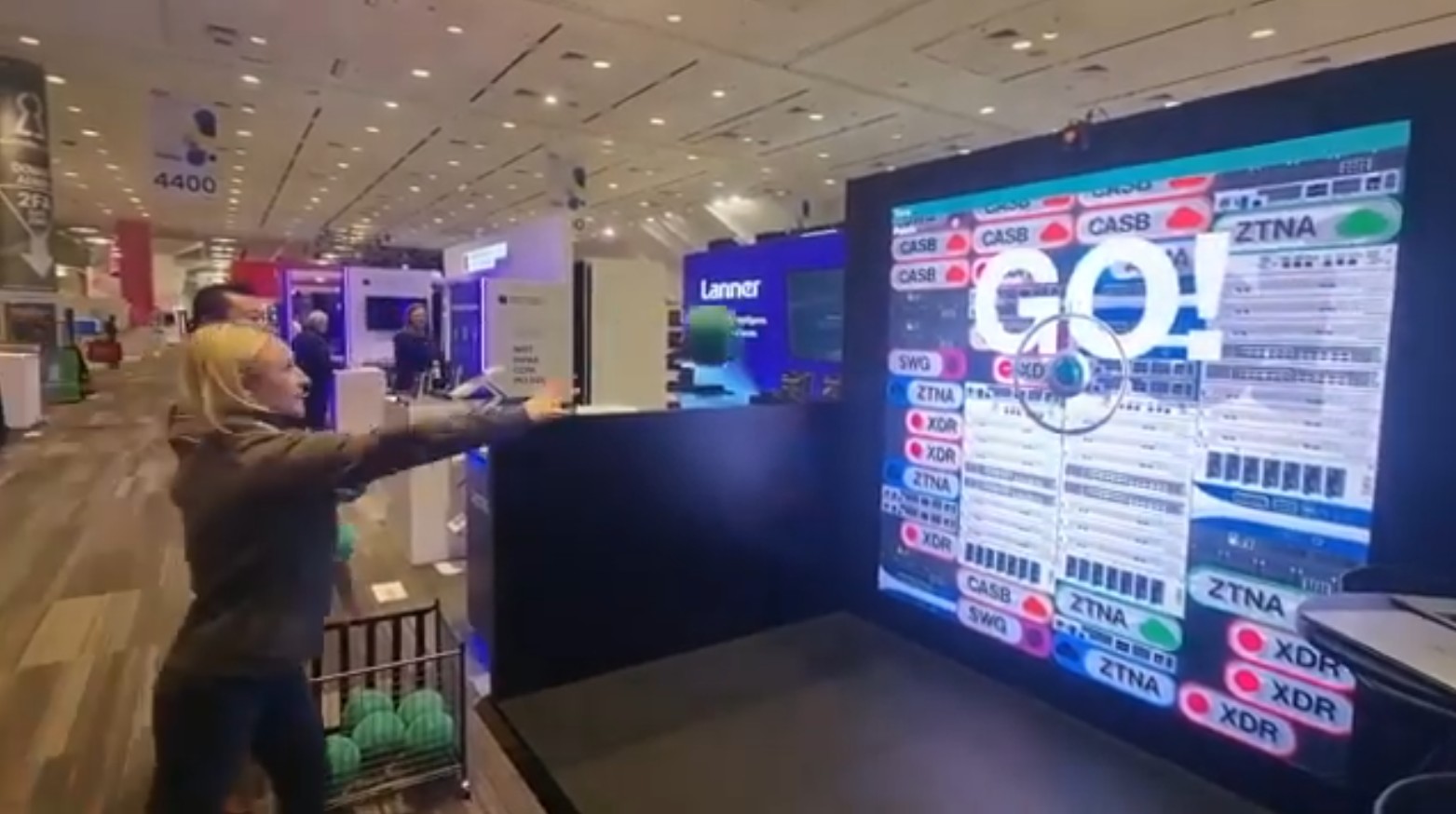
Most interactive experiences pass through a chain of vendors. An agency writes the concept, a design studio makes the visuals, a hardware shop builds the props, a developer writes the software and an AV company brings the screens. Every handoff is a place where the idea gets diluted and the schedule slips, and in the end nobody owns the result.
We work the other way. One team takes an interactive booth, visitor center or lobby installation from the first sketch to the last session on the show floor, covering creative, design, electronics, LEDs, projection, software and production. This is what that looks like in practice.
1. Concept: start from the visitor's first ten seconds
Every project starts with the same question: what should a visitor feel, do and remember in the first ten seconds? The technology comes after. A game that is obvious from across the aisle beats a clever one that needs explaining, and a photo moment people want to share beats a demo they forget.
For Burning Raft, built for Vega at Black Hat 2026, the idea was a living sculpture. A large LED structure shows a generative raft that builds in real time, synced to a live DJ set, with AI photo booths on both sides where visitors make a sticker and send it straight onto the sculpture. Once an hour the whole structure burns down and starts again from zero. That story came first, and the hardware, software and screens were designed to serve it.
2. Design: one visual language from screen to set
We design the screens and the physical space together, so the game world, the UI, the booth graphics and the props look like they belong to each other. For Vega at RSA we built a full arcade game world: a giant LED cube above a themed set, custom lighting, surround sound and a personalised photo at the end of every play session. For Mint Security at Black Hat, the whole booth became a kitchen, and the hand gesture game was set inside it.
Design also covers interaction: how someone knows where to stand, when the game starts, what just happened and what to do next. Idle screens, attract loops, countdowns and leaderboards get designed like everything else instead of being left on defaults.
3. Electronics and fabrication: build what doesn't exist yet
When the experience needs a physical interface, we build it: buttons, touch pads, sensors and the enclosures around them. The Matrix Reaction Game for Mazebolt runs on a custom button. The Jazz Security rhythm game uses four touch pads. The mend.io basketball arcade starts with a flashing button that pulls people in. Each one needed its own electronics, firmware and an enclosure built to take thousands of hits.
4. LED walls, LED floors and projection
We integrate LED walls, LED floors, LED cubes and projection mapping, and we make content at each canvas's native resolution. That means choosing pixel pitch for the viewing distance, setting up the LED processor, and planning power and data. For Amdocs at MWC Barcelona 2019 we built an interactive LED floor and walls that react to visitors in real time. Our guide to LED walls vs projection mapping covers how we choose between them.
5. Real-time software and AI
Software ties the pieces together: game logic, real-time graphics, motion and gesture tracking, depth cameras, sound, AI image generation, printing and email delivery. Hero Creator for Microsoft AI Tour 2025 was built in one day. It photographed attendees, generated a personalised superhero trading card with AI, printed it on site and emailed it, so the keepsake doubled as lead capture.
6. Lead capture, designed in from the start
A booth experience that collects no leads has missed half its job. We build registration, short forms, leaderboards and CRM-ready data into the flow, so playing and leaving details feel like one action. On the Jazz Security game, a separate control screen captured player details while people competed for the top score.
7. Testing in the studio, running it on site
Everything is assembled and stress tested in our studio before it ships. On site we install, calibrate and run the experience, and we stay through the show to keep every session working. Permanent installations, like the Mobileye headquarters lobby, are built to run every day, with stable hardware, automatic recovery and simple maintenance.
Why one team should own the whole project
When the people who wrote the concept also wire the buttons and run the show, problems get fixed where they start. Changing a game mechanic late takes one conversation, not three vendors trying to agree.